



Tallow vs. Plant-Based Skincare: What the Science Actually Says
Beef fat is having a beauty moment. And if your social media feed looks anything like ours, you've probably seen the claims: beef tallow moisturizer is the ultimate skin barrier repair solution, ancestrally aligned, biocompatible with human skin, the secret to glowing skin your grandmother never told you about.
It's the kind of content that dominates "clean girl skincare" aesthetics on TikTok and Instagram. But is it science — or is it marketing?
Let's look at the actual evidence.
What Is Tallow?
Tallow is rendered animal fat, typically from beef or mutton. It's been used historically for everything from candle-making to cooking to skin care. Proponents argue that its fatty acid profile closely mirrors human sebum, making it uniquely compatible with skin.
It's a compelling story. But compelling stories and clinical evidence are two different things.
The "Biocompatible" Claim — What Does the Research Say?
The most common argument for tallow is that its fatty acid composition — primarily oleic acid, palmitic acid, and stearic acid — mirrors the skin's natural lipid barrier.
This is partially true. But here's what that argument leaves out: plant-based oils share many of the same fatty acids, often in more favorable ratios and with additional beneficial compounds tallow simply doesn't have.
For example:
- Shea butter is rich in oleic and stearic acids — the same fatty acids tallow proponents tout — and has been shown in peer-reviewed research to have anti-inflammatory properties. A study published in the American Journal of Life Sciences found shea butter to be effective in reducing skin inflammation and improving barrier function.
- Jojoba oil is technically a liquid wax that closely mimics sebum structure — arguably more "biocompatible" than tallow — and has demonstrated antimicrobial and anti-inflammatory properties in clinical studies.
- Sunflower seed oil, high in linoleic acid, has been shown in randomized controlled trials to improve skin barrier integrity, particularly in individuals with dry or compromised skin (Pediatric Dermatology, 2013).
Tallow contains virtually no linoleic acid — an essential fatty acid critical for skin barrier repair that the skin cannot produce on its own.
What Tallow Doesn't Have
Beyond fatty acids, plant-based ingredients bring a wealth of bioactive compounds that tallow simply cannot offer:
- Antioxidants — Vitamin E (tocopherols), vitamin C precursors, and polyphenols found in plant oils help neutralize free radicals and protect against environmental aging. Tallow contains minimal antioxidant activity.
- Phytosterols — Found in shea butter and many plant oils, phytosterols have been clinically shown to support collagen synthesis and improve skin elasticity.
- Anti-inflammatory compounds — Many plant butters and oils contain compounds like lupeol (shea butter) and bisabolol (chamomile) with documented anti-inflammatory effects in peer-reviewed literature.
The Sustainability & Ethics Question
Beyond skin science, there's a broader question worth asking: what are the downstream effects of your skincare choices?
Tallow is a byproduct of the meat industry. While some argue this makes it a form of "waste reduction," it also means its supply chain is tied to industrial animal agriculture — with all the environmental and ethical implications that come with it.
Vegan skincare formulated with responsibly sourced plant-based ingredients offers a more sustainable and scalable alternative — one that doesn't require animal byproducts and can be produced with a significantly lower environmental footprint.
At Rayne Refillery, we're also Leaping Bunny certified cruelty-free — meaning our entire supply chain, from raw ingredient to finished product, is free from animal testing. Tallow-based products cannot carry this certification.
So Why Is Tallow Trending?
Honestly? Marketing.
The beef tallow moisturizer trend has been driven largely by wellness influencers, ancestral health communities, and "clean girl skincare" aesthetics that resonate emotionally — not by dermatological research or clinical trials. There are no large-scale, peer-reviewed studies demonstrating that tallow outperforms well-formulated plant-based moisturizers for skin health or skin barrier repair.
What does have robust clinical backing? Plant-based emollients like shea butter, jojoba, and sunflower oil — the very ingredients we've built our formulations around.
What We Use Instead
Our vegan skincare alternatives are formulated with carefully selected butters and oils chosen for their clinically supported skin benefits — not their trending status. Every ingredient earns its place based on what it actually does for your skin.
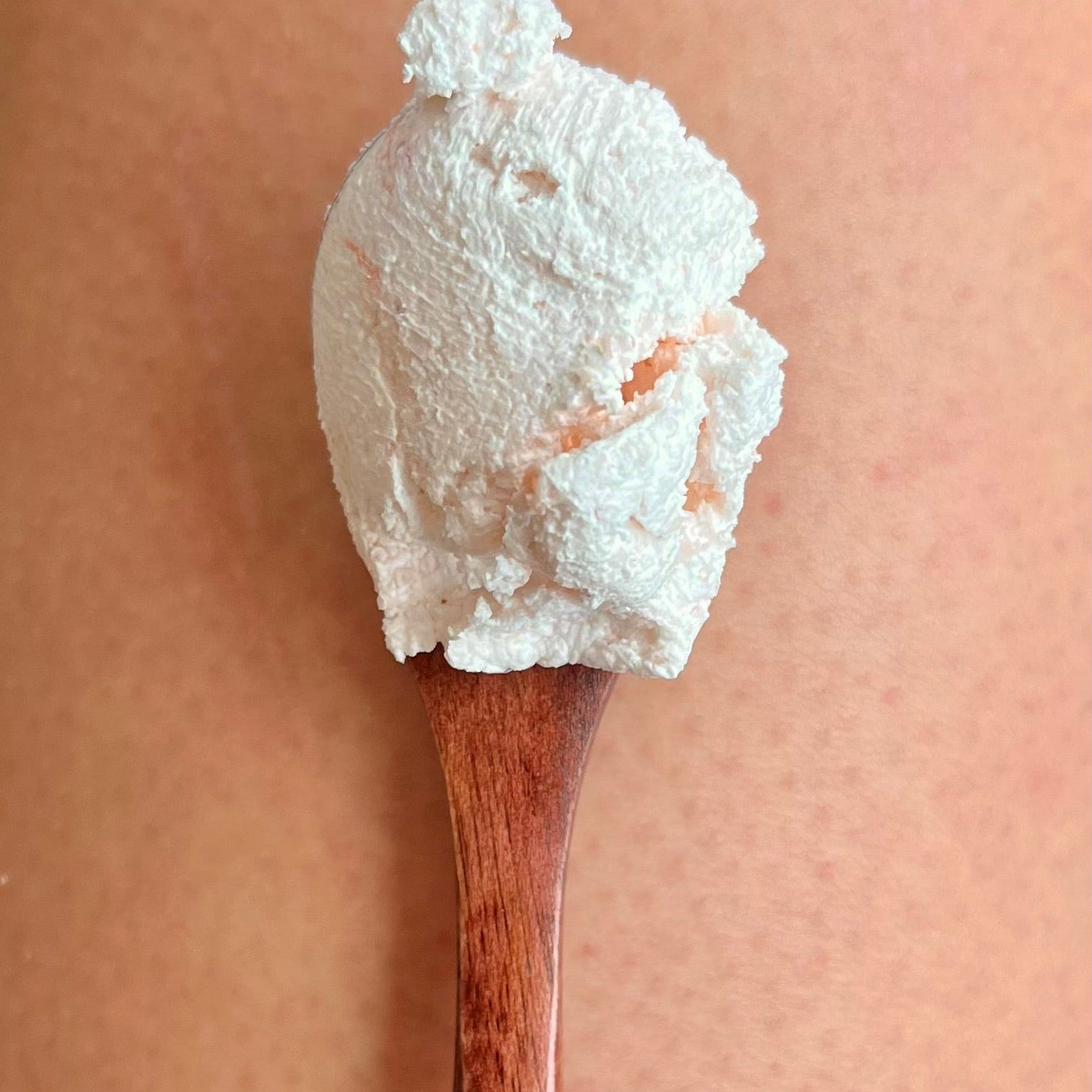
Try our Lotion for a lightweight, fast-absorbing daily moisturizer, or reach for our rich Body Butter when your skin needs deeper nourishment and skin barrier repair. Both are handmade in small batches with plant-based ingredients — no beef fat, no hype.
The Bottom Line
Tallow isn't dangerous. But it isn't magic either. The claims surrounding it are largely rooted in anecdote and marketing — not peer-reviewed science.
Plant-based and vegan skincare, when properly formulated, offers the same fatty acid benefits tallow proponents celebrate plus antioxidants, phytosterols, anti-inflammatory compounds, and a cleaner ethical footprint.
At Rayne Refillery, we'll take the plants.
Want to know exactly what's in your products? We believe in full transparency. Explore our ingredient philosophy or reach out to us at support@raynerefillery.com.

