



The wellness world loves essential oils. But is "natural" always better — or safer?
If you've spent any time in the clean beauty or home fragrance space, you've probably seen brands proudly stamping "100% essential oils only" on their labels. It sounds pure. It sounds safe. It sounds better.
But here's the truth: essential oils are not always the safest, most sustainable, or most skin-friendly choice — and the fragrance industry's best-kept secret is that high-quality fragrance oils can actually be the cleaner option.
Let's break it down.
What Are Essential Oils, Really?
Essential oils are concentrated plant extracts — steam-distilled or cold-pressed from flowers, bark, rinds, and roots. They're powerful, aromatic, and have genuine therapeutic properties.
But powerful cuts both ways.
The risks most brands don't talk about:
- Unsafe when burned — Many essential oils have low flash points or release compounds when heated that can be irritating or harmful when inhaled. Burning certain essential oils in candles can release volatile organic compounds (VOCs) that affect indoor air quality.
- Toxic to pets and children — Essential oils like eucalyptus, tea tree, clove, and citrus oils are known to be toxic to cats, dogs, and small children — even through diffusion. The ASPCA lists dozens of essential oils as dangerous to pets.
- Caustic to skin — Undiluted or improperly diluted essential oils can cause chemical burns, photosensitivity, and allergic reactions. Citrus oils in particular can cause severe sun sensitivity when applied to skin.
- Not regulated for safety — The term "natural" carries no regulatory weight. Essential oils are not automatically safe just because they come from a plant.
The Sustainability Problem Nobody Talks About
Here's a number that might surprise you:
It takes approximately 50–65 oranges to produce just 1 ounce of sweet orange essential oil.
One ounce. Fifty oranges.
Now scale that to lavender: roughly 250 pounds of lavender flowers yield just 1 pound of essential oil. For rose otto — one of the most coveted essential oils — it takes approximately 10,000 pounds of rose petals to produce a single pound of oil.
When demand outpaces responsible sourcing, the result is overharvesting, habitat destruction, and exploitation of farming communities. "Natural" doesn't automatically mean sustainable — and in many cases, it's the opposite.
So What Are Fragrance Oils — and Why Do We Use Them?
Fragrance oils are aromatic compounds crafted in a laboratory setting. And before you scroll away — that's actually a good thing.
When formulated to the highest standards, fragrance oils offer something essential oils simply can't: precision, safety, and sustainability by design.
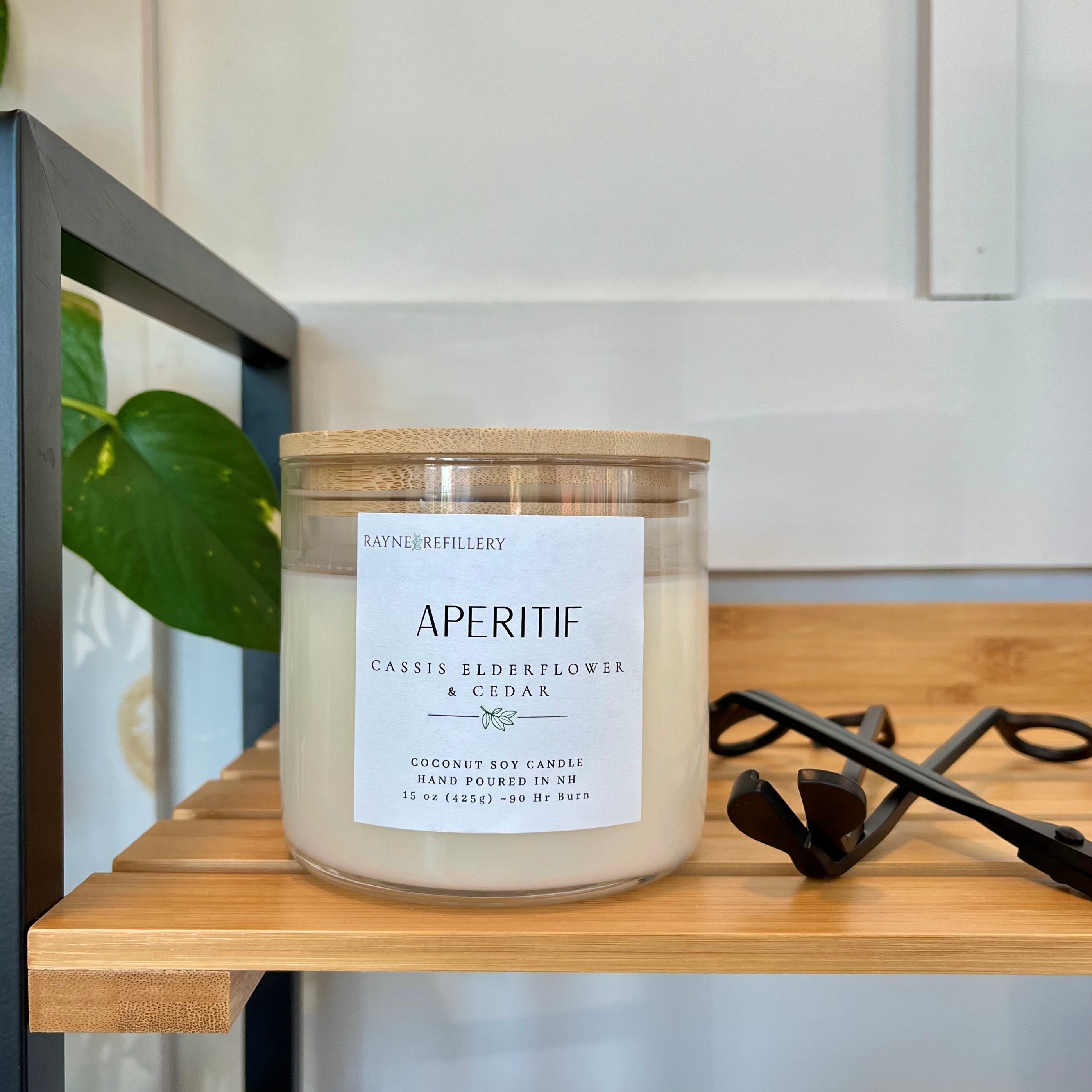
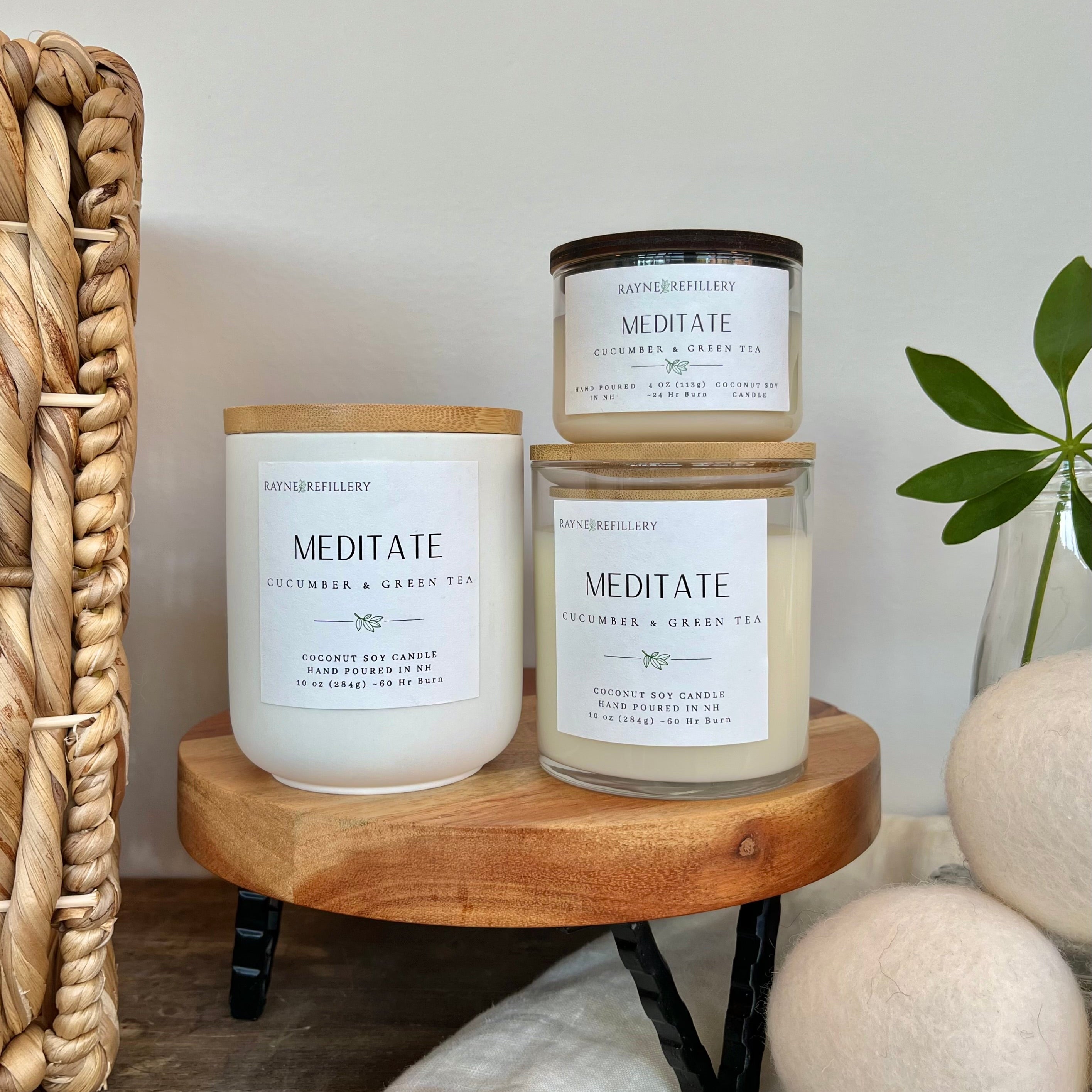
At Rayne Refillery, we use only clean fragrance oils that meet IFRA (International Fragrance Association) standards — the gold standard for fragrance safety globally. IFRA sets strict limits on the use of ingredients based on extensive safety testing, ensuring that every fragrance we use is:
- ✅ Free from hormone disruptors
- ✅ Free from parabens and phthalates
- ✅ Non-toxic and skin-safe at recommended usage rates
- ✅ Not tested on animals
- ✅ Formulated without known carcinogens or sensitizers
We also cross-reference our fragrance selections with the Environmental Working Group (EWG) Skin Deep database — one of the most trusted independent resources for ingredient safety — to ensure our standards go beyond compliance.
Made in a Lab Doesn't Mean Synthetic Junk
There's a misconception that "lab-made" means cheap or harmful. In reality, the most sophisticated fragrance houses in the world — the same ones supplying luxury perfume brands — create fragrance oils that are:
- Customized for application — A fragrance safe for candles is formulated differently than one safe for leave-on skin products. We don't cut corners here.
- Sustainably produced — No overharvesting. No deforestation. No exploiting rare botanicals.
- Consistent and stable — Unlike essential oils, which vary batch to batch based on growing conditions, our fragrance oils deliver the same experience every time.
Where We Do Use Essential Oils
We're not anti-essential oil — we're pro-informed choice.
That's why in our Shower Steamers, we use essential oils intentionally and specifically for their aromatherapy properties. Shower steamers aren't burned, aren't leave-on, and aren't used around pets unsupervised — making them one of the safest applications for essential oils. We use them at appropriate concentrations to deliver that eucalyptus clarity or lavender calm you're looking for.
Where We Use Fragrance Oils (and Why It's the Better Choice)
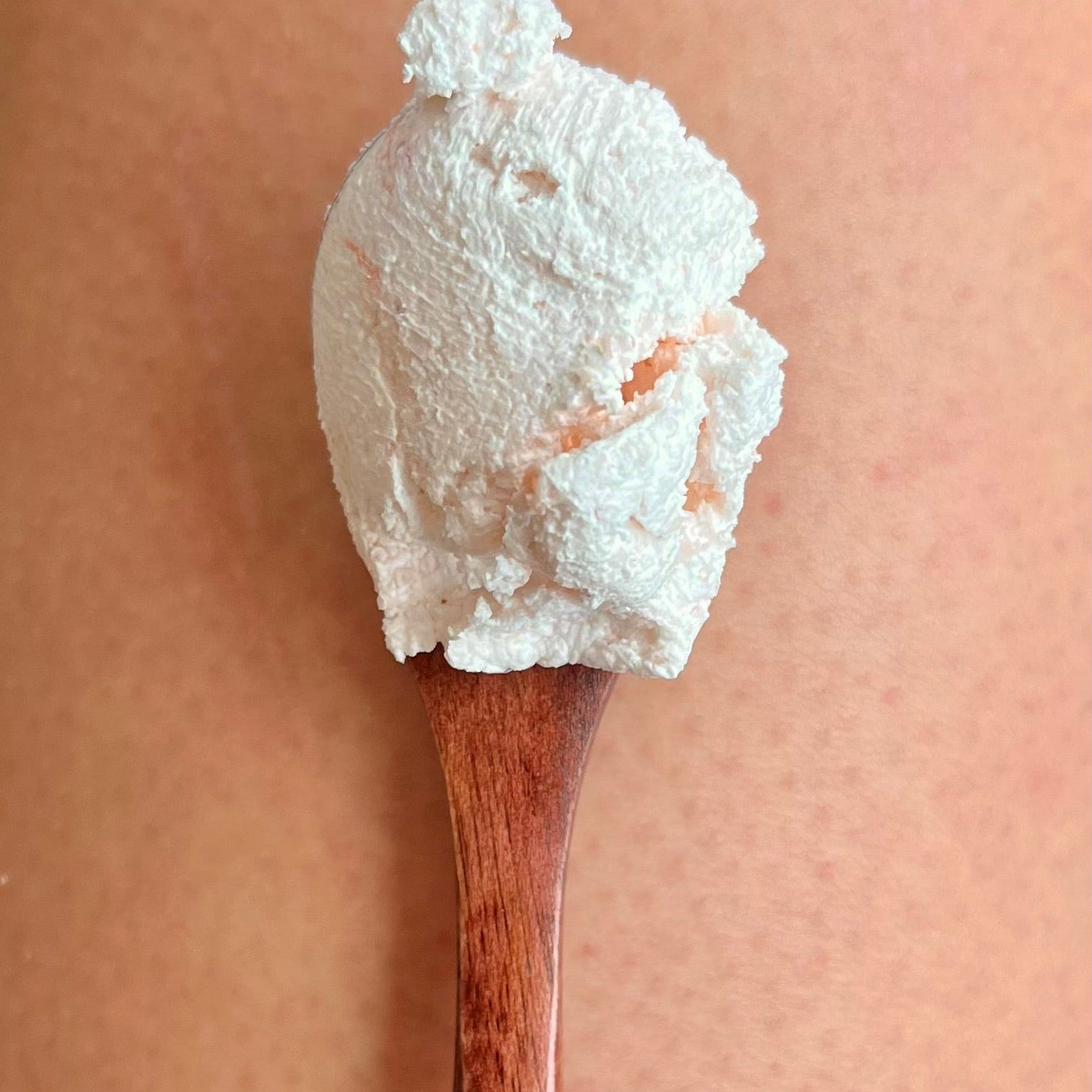
Our Body Butter is formulated with IFRA-compliant fragrance oils at concentrations specifically tested and approved for leave-on skin application. Many of our body butters are also customized with small amounts of essential oils — chosen deliberately, used sparingly, and always within safe limits.
The result? A product that smells incredible, performs beautifully, and won't disrupt your hormones, irritate your skin, or harm your pets.
The Bottom Line
The fragrance conversation is more nuanced than "natural = good, synthetic = bad." At Rayne Refillery, we believe in transparency, science-backed formulation, and sustainability — not marketing buzzwords.
When you choose Rayne Refillery, you're choosing:
- Fragrances that meet the highest global safety standards
- Formulations designed for your specific product application
- A brand that prioritizes your health, your family's safety, and the planet
Clean doesn't have to mean essential-oil-only. It means knowing exactly what's in your products — and why.
Have questions about our ingredients or formulation standards? Reach out to us directly or explore our full product line.

