



Are you trying to change your lifestyle this year or simply looking for new ways to be a little more eco-friendly without turning everything upside down?
For many people, the shift toward sustainability doesn’t start with big, overwhelming changes. It starts in the kitchen. At the sink. With the everyday products we use without thinking twice, like dish soap.
Solid dish soap often sparks curiosity. Does it really work? Will it cut grease?
This guide is here to answer those questions clearly and honestly, so you can decide whether solid dish soap fits into your home, your habits, and your budget.
What Is Solid Dish Soap?
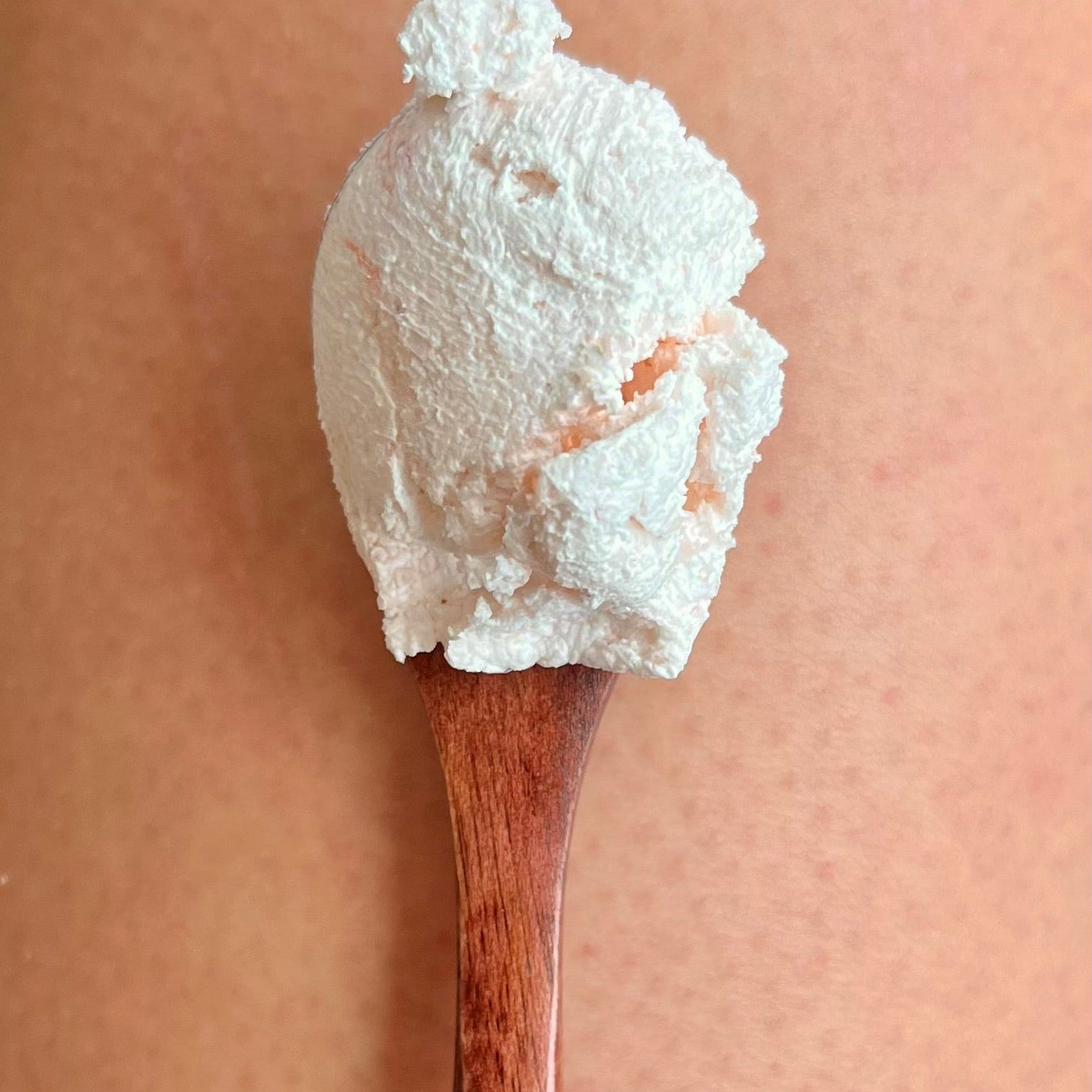
Solid dish soap is exactly what it sounds like: dish soap in a solid, concentrated form rather than a liquid. Instead of being diluted with water and packaged in plastic bottles, solid dish soap is made as a firm bar or puck that you activate with water as you use it.
Historically, soap was always solid. Liquid dish soap is a relatively modern convenience, made popular by mass production and plastic packaging. Today, solid dish soap is making a comeback because it offers effective cleaning with fewer ingredients, less waste, and a smaller environmental footprint.
How Does Solid Dish Soap Work?
At its core, solid dish soap works the same way liquid dish soap does through surfactants.
Surfactants are cleansing agents that bind to grease and oils on one end and water on the other. When you scrub a dish with soap and rinse it with water, those surfactants lift grease and food particles away from the surface and carry them down the drain.
Solid dish soap:
-
Activates when mixed with water
-
Creates lather through friction
-
Breaks down grease effectively
-
Cleans without needing excess fillers or water
Because it’s concentrated, you’re using only what you need, instead of pouring pre-diluted soap onto a sponge.
How to Use Solid Dish Soap (Including Soaking Tough Dishes)
Using a solid soap bar is simple, but a few tips can make it even more effective.
Everyday Dishwashing
-
Wet your sponge, dish brush, or cloth
-
Rub it directly onto the solid dish soap
-
Wash dishes as usual
-
Rinse and allow the soap to dry between uses
A little goes a long way, most people are surprised by how long a single bar lasts.
For Tough, Stuck-On Messes (Soaking Method)
Sometimes dishes need to soak, and solid dish soap can absolutely handle that too.
Two easy options:
-
Rub your sponge or brush on the soap and swirl it into a sink or dishpan filled with hot water
-
Or grate a small amount of solid dish soap into hot water to create a soapy soak for baked-on or greasy dishes
This method works especially well for pots, pans, and baking dishes that need extra time.
Solid Dish Soap vs. Liquid Dish Soap
Both solid and liquid dish soap can clean dishes effectively. The difference lies in ingredients, concentration, packaging, and cost over time.
Liquid dish soap is mostly water, often 30–60%, combined with detergents, preservatives, dyes, and fragrance. Solid dish soap skips the added water and focuses on concentrated cleaning ingredients.
Ingredients to Be Aware of in Liquid Dish Soap
(Not all liquid soaps contain these, but many do.)
-
Toxic synthetic detergents instead of true soap
-
Toxic artificial dyes and fragrances
-
Preservatives to extend shelf life
-
Thickeners and fillers
None of this makes liquid dish soap “bad,” but it does mean you’re often paying for water and packaging as much as cleaning power.
Cost & Practical Considerations
Solid dish soap often costs more upfront, but because it’s concentrated, the cost per use can be comparable, or even lower, than liquid soap over time. That said, budget and accessibility matter, and liquid soap may still be the best option for some households.
Pros & Cons Comparison
|
Feature |
Solid Dish Soap |
Liquid Dish Soap |
|
Cleaning Power |
Highly effective, concentrated |
Effective, pre-diluted |
|
Packaging |
Minimal or plastic-free |
Usually plastic bottles |
|
Ingredients |
Fewer fillers, less water |
Often includes detergents & preservatives |
|
Cost Over Time |
Long-lasting, concentrated |
Lower upfront cost |
|
Convenience |
Slight learning curve |
Familiar and widely available |
|
Sustainability |
Lower waste footprint |
Depends on packaging & formula |
The goal isn’t perfection, it’s choosing what works best for your life and the planet.
Environmental Benefits of Solid Dish Soap
Solid dish soap offers several environmental advantages:
-
Less plastic waste due to minimal or plastic-free packaging
-
Reduced water usage in manufacturing (no pre-dilution)
-
Lower shipping emissions because it’s lighter and more compact
-
Longer lifespan, meaning fewer replacements over time
These small changes add up, especially when multiplied across households.
Common Myths About Solid Dish Soap
“It doesn’t cut grease.”
This is one of the most common concerns and a very understandable one. Grease feels stubborn, and many of us associate heavy-duty cleaning with thick liquid soap.
In reality, solid dish soap cuts grease the same way liquid soap does: through surfactants. These cleansing agents bind to oils and fats, allowing water to lift them away from dishes. The difference is that solid dish soap is concentrated, not diluted with water. That means when you lather your sponge or brush, you’re activating powerful cleaning ingredients directly, without fillers.
Many solid dish soaps, especially those made with organic ingredients and natural oils, are highly effective at breaking down grease while remaining gentle on hands.
“It won’t last very long.”
Because solid dish soap is concentrated, a single cube often lasts as long as multiple bottles of liquid dish soap. Liquid soap is mostly water, while solid dish soap delivers cleaning power without pre-dilution.
Longevity depends on usage habits, but with proper storage (keeping the cube dry between uses and avoiding soaking it unnecessarily) many households find that solid dish soap lasts weeks or even months.
A little really does go a long way.
“It will dry out my hands.”
Many liquid dish soaps rely on harsh detergents to boost cleaning power, which can strip natural oils from the skin. Solid dish soaps made with organic ingredients and natural oils are often gentler, making them a better option for those with sensitive skin or frequent dishwashing routines.
When formulated thoughtfully, solid dish soap cleans effectively without unnecessary irritation.
Choosing What Works for You (And Why That Matters)
Sustainability isn’t about doing everything “right.” It’s about making choices that feel realistic, manageable, and aligned with your values.
For some people, switching to a solid soap bar is an easy win. For others, liquid soap may still make the most sense and that’s okay. What matters is awareness. Understanding how products work empowers you to make informed choices, one habit at a time.
At Rayne Refillery, we believe real impact comes from progress, not pressure. Whether you switch today, later, or simply learn something new, you’re already part of the change by asking the question.

